Microbiology: an automated line and a paperless LIS working together

One of the first French university hospitals to automate its microbiology, with a bidirectional interface between the BD Kiestra™ line and the TECHNIDATA paperless LIS.

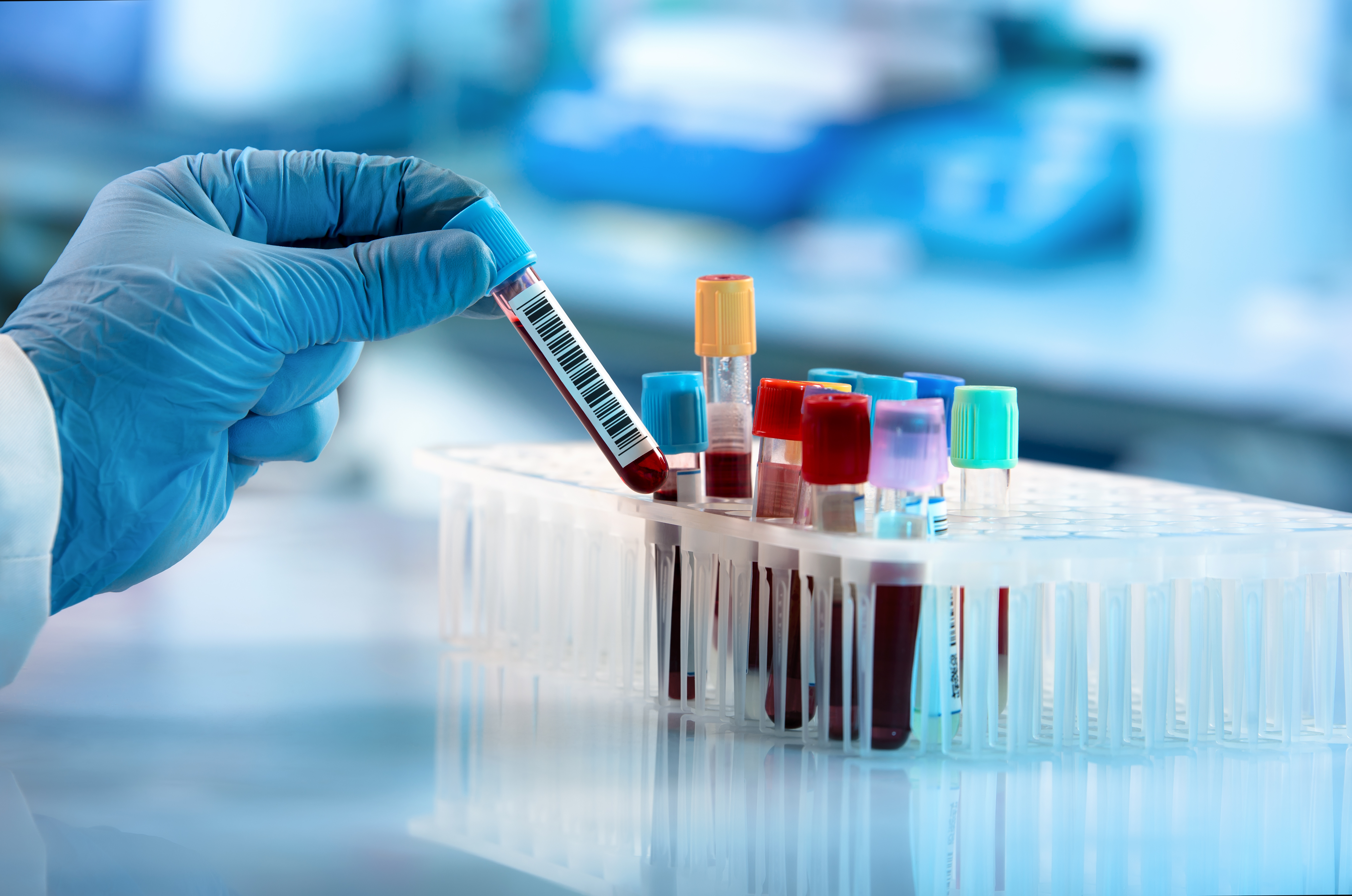
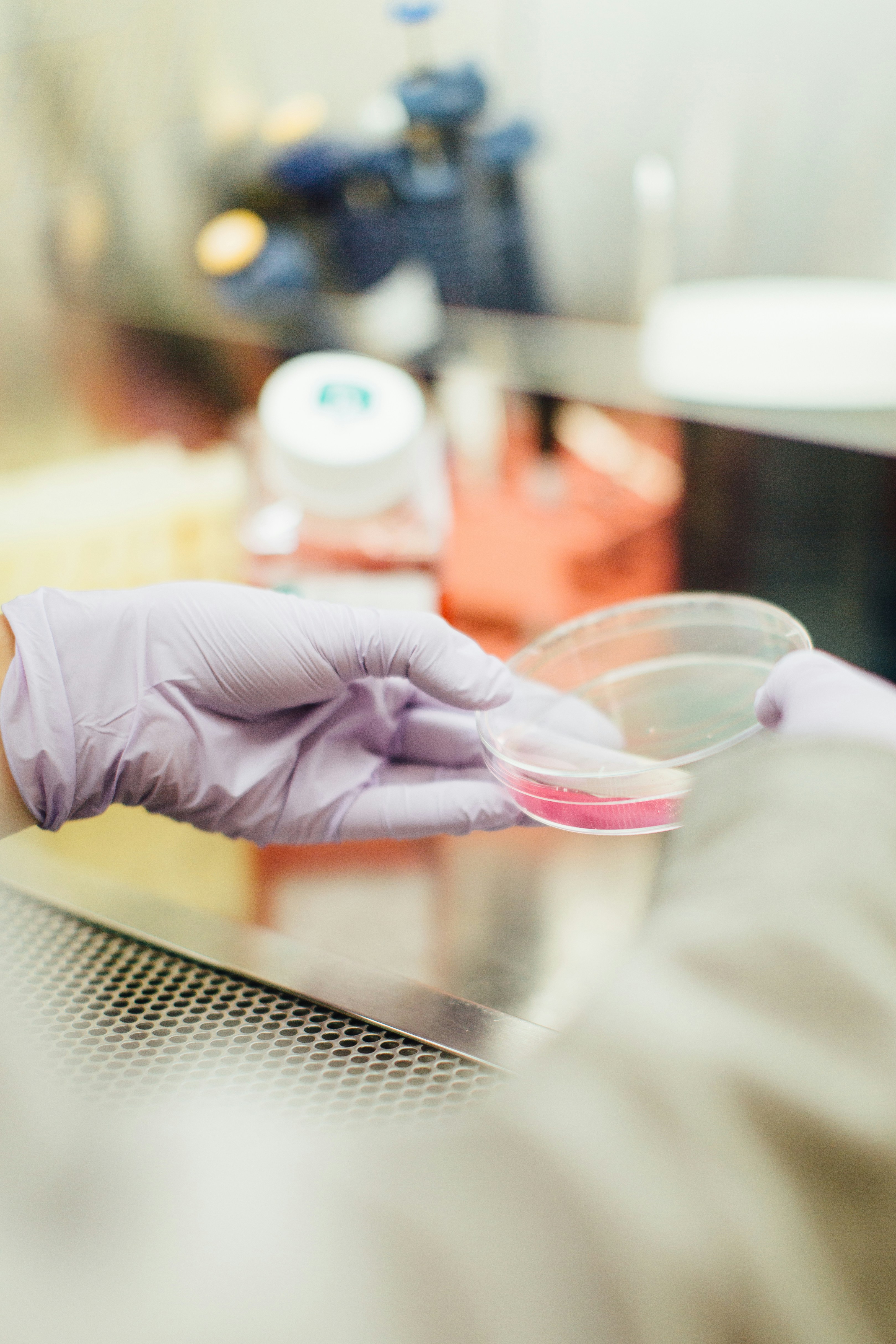
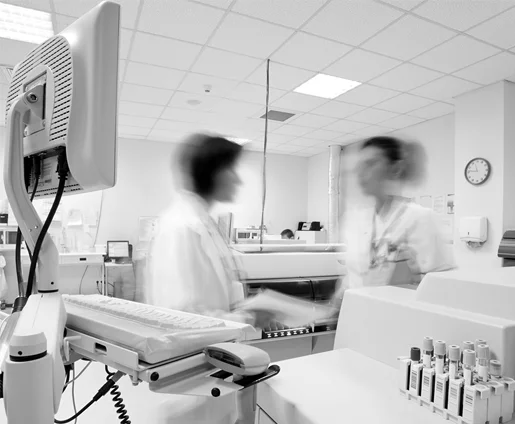
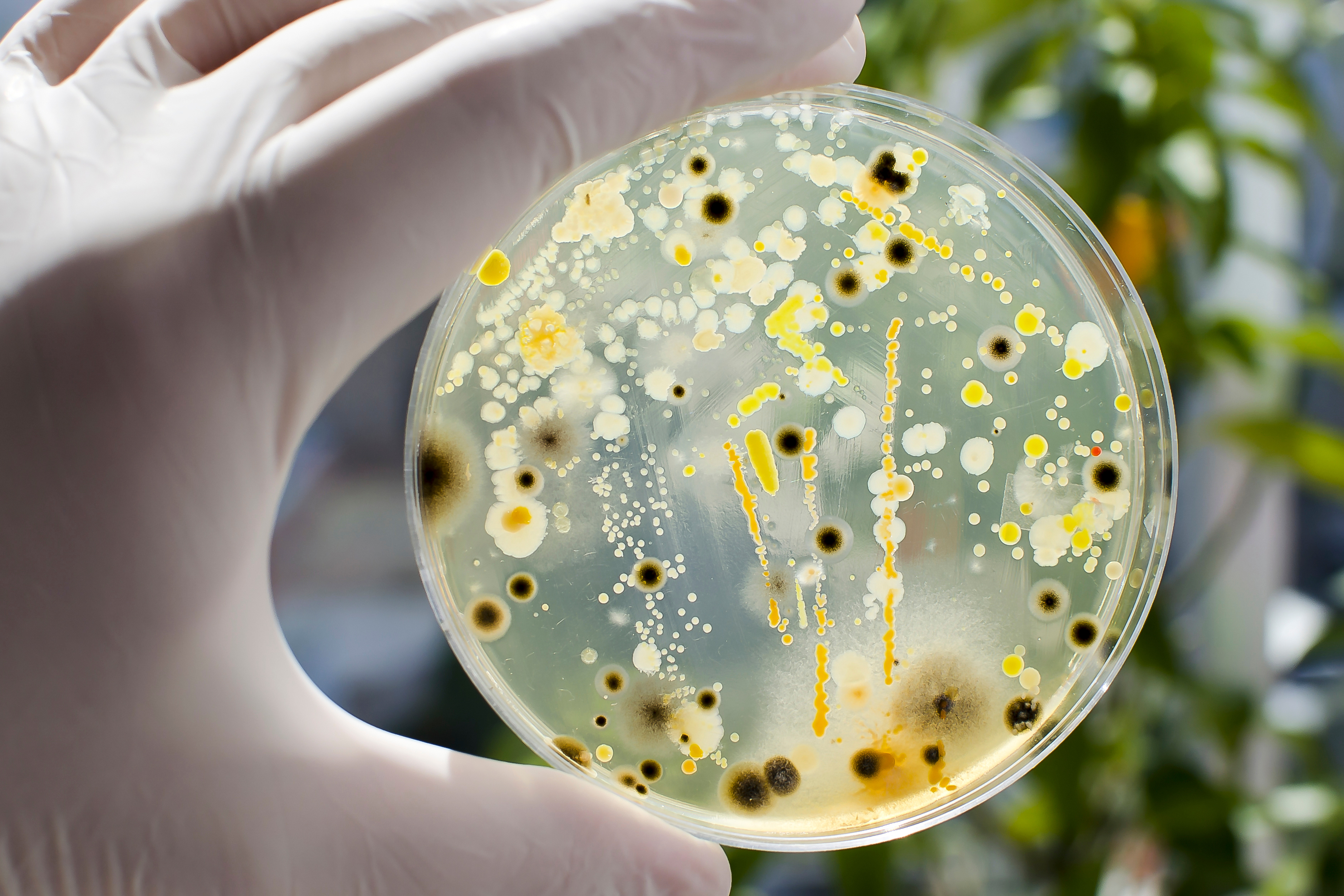
Inoculated agar plates on a microbiology laboratory bench
CUSTOMER CONTEXT

Automating microbiology to gain productivity and traceability.

A strategic project for the hospital

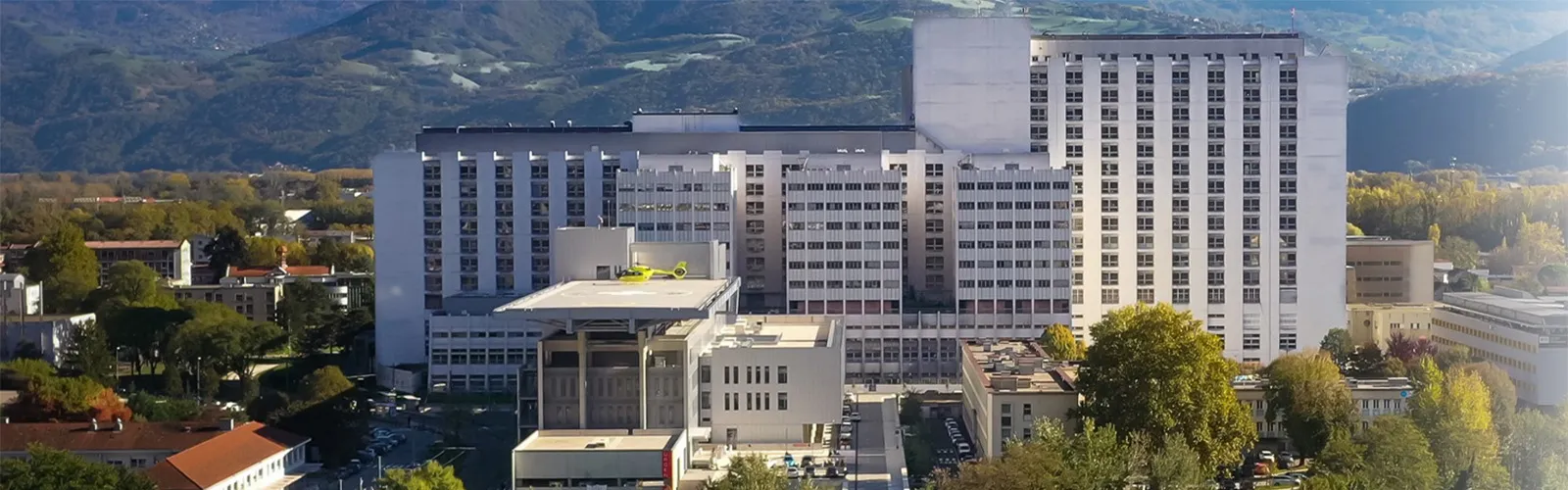
Grenoble Alpes University Hospital has made performance and innovation strategic development priorities. In this context, its microbiology laboratory decided to automate its operations: a BD Kiestra™ automated line, combined with paperless microbiology management thanks to the TECHNIDATA LIS. The project required extension work on the laboratory and close collaboration between the hospital, BD and TECHNIDATA teams.

“Today we are one of the very first university hospital microbiology laboratories in France to have such an innovative working tool, enabling the automation of a large number of analytical processes – inoculation, but also incubation and culture reading. Our objectives are many: automating repetitive, low value-added tasks, gaining productivity, improving the traceability and reproducibility of inoculations, and reducing the risk of errors and contamination.” — Dr Sandrine Boisset, biologist at Grenoble Alpes University Hospital

Two truly integrated systems

The screens of the automated line and the LIS are synchronized in both directions. During biological validation in the LIS, microbiologists access the digitized image of the agar plate, stored on the BD Kiestra™ line, for digital reading or to order an additional test. Conversely, from the line, they access the request record managed by the LIS, for example to view the direct examination or cytology.

“Much more than a simple interface between the TECHNIDATA LIS and our BD Kiestra™ automated line, our respective teams worked to truly integrate these two systems: the bidirectional synchronization of screens between the automated line and the LIS greatly facilitates the work of the laboratory teams.” — Laurent Pinault, unit director at BD Life Sciences – Diagnostic Systems France

The benefits of paperless microbiology

The TECHNIDATA microbiology LIS manages all laboratory processes, from sample management to biological validation, including protocol definition, epidemiology and the interface with instruments and automated lines.

“TECHNIDATA supported us throughout this project. Together we rethought the laboratory's organization and optimized the workflow to take full advantage of paperless microbiology. Thanks to the TECHNIDATA electronic workbench, the laboratory further strengthens its level of traceability and gains reliability and efficiency. The automated line and the paperless microbiology LIS are complementary and are essential components of laboratory automation.” — Dr Sandrine Boisset

To find out more: Paperless microbiology: what automation changes in the laboratory.

THE TECHNIDATA RESPONSE

The TECHNIDATA paperless microbiology LIS, synchronized with the BD Kiestra™ line.

2-way

Screens synchronized between the automated line and the LIS.

Images

Digitized agar plate viewable in the LIS during biological validation.

Traceability

Strengthened by the electronic workbench, with greater reliability and efficiency.

A three-way project: the hospital, BD and TECHNIDATA

Automation, laboratory extension and a new paperless workflow.

WORKS

Extending the laboratory

Extension work was needed to accommodate the BD Kiestra™ automated line.

INTEGRATION

Connecting the line and the LIS

The BD and TECHNIDATA teams integrate the two systems and the laboratory workflow is redesigned.

DECEMBER 2017

A cutting-edge laboratory

Grenoble Alpes University Hospital is among the very first university hospital microbiology laboratories equipped in this way in France.

Customer testimonials

Challenges and solutions: discover how TECHNIDATA solutions meet our customers' needs.
“We have significantly improved data traceability, and therefore patient safety, saved time, gained efficiency and optimized the workload.”
Since 2017, the Preimplantation Genetic Diagnosis (PGD) laboratory of Grenoble Alpes University Hospital has been supporting patients at risk of transmitting serious genetic diseases. PGD makes it possible to analyze embryos obtained through IVF in order to select those free of the disease. The laboratory relies on multidisciplinary expertise in reproductive biology and genetics. Since 2025, the introduction of Karyomapping has significantly accelerated protocols and broadened their application. The TDGenet LIS, developed by TECHNIDATA, centralizes and secures all laboratory data. This close collaboration has made it possible to adapt the tool to the specific needs of PGD, making TDGenet a key partner in the teams’ daily work.
“TDNexLabs is a reliable, robust and high-performance laboratory information system: activity remains smooth, even during peaks, and the system never gets overloaded...”
“Data migration into TDGenet: today we are able to migrate 99% of historical data.”
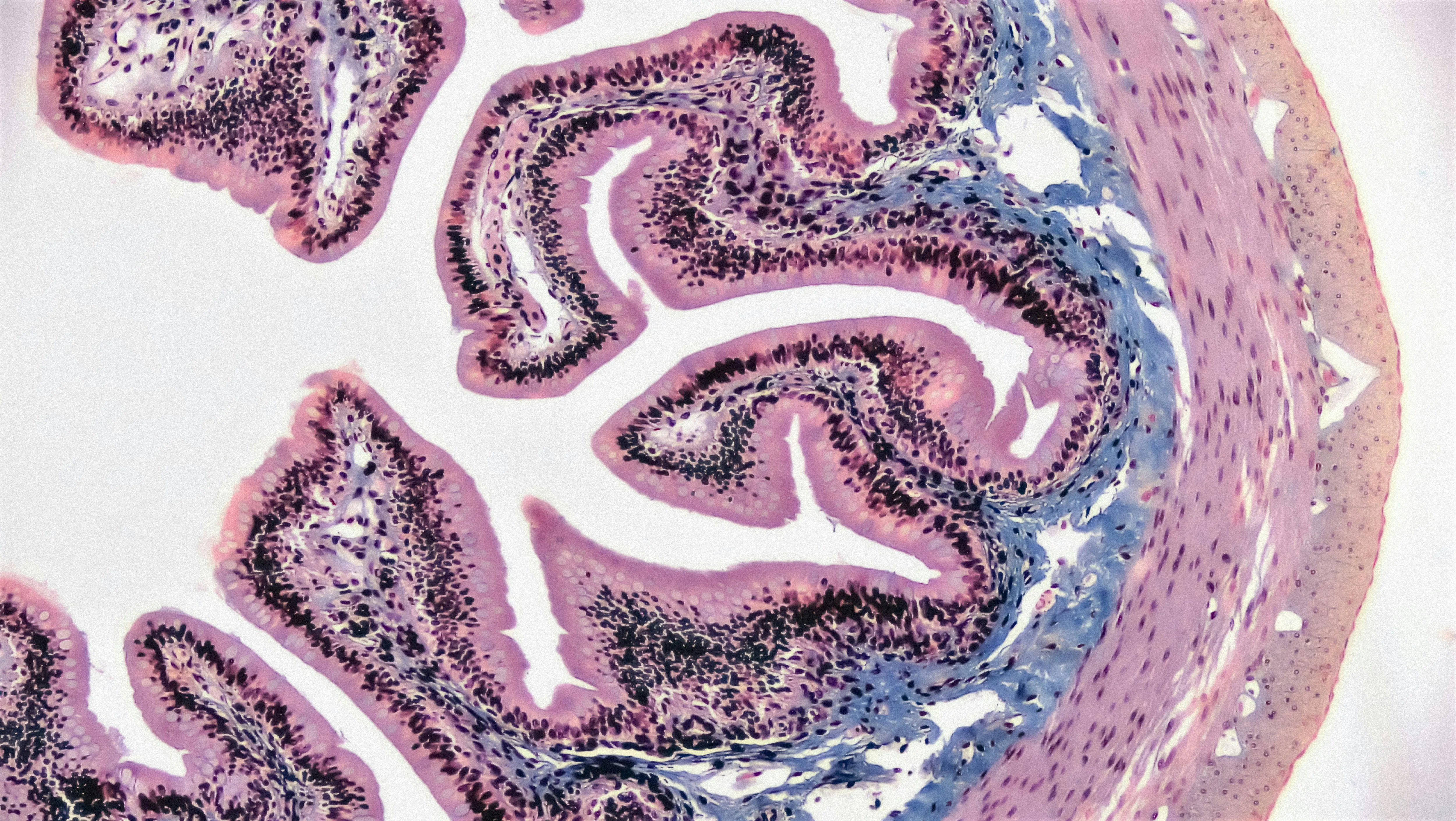
Section of intestinal tissue stained pink and blue, viewed under a microscope
“We were won over by TDHisto/Cyto’s ability to faithfully reflect the path of the specimen. This software brings real added value with regard to the specific nature of our discipline and makes users’ work easier.”
Section of intestinal tissue stained pink and blue, viewed under a microscope
“The Microbiology module enabled us to introduce truly paperless bacteriology, with a significant gain in efficiency.”
“We have significantly improved data traceability, and therefore patient safety, saved time, gained efficiency and optimized the workload.”
“We chose TDBioBank, which allows centralized management while offering great flexibility. Its flexible configuration makes it possible to adapt the software to the needs of our multi-site, multidisciplinary organization.”
“With TDBioBank, we were able to harmonize, secure and centralize the management of our biological resources in a multi-site context.”
“TDBioBank is software we recommend to any BRC wishing to computerize and showcase its resources and collections.”

Discover the impact of our solutions on your laboratory.

Our experts are available to discuss your processes and present our solutions.

CASE STUDY

Inuvi Diagnostics (United Kingdom)

Chosen in August 2023, TDNexLabs has been running Inuvi's high-throughput laboratory (United Kingdom) since December 2024, with TDMind as middleware.

Learn more

CASE STUDY

Grenoble-Alpes University Hospital: TDMind

Feedback (2023): at Grenoble-Alpes University Hospital, TDMind, a full-web middleware integrated with the TDNexLabs LIS, connects and monitors several clinical biology and pathology analyzers.

Learn more

CASE STUDY

Grenoble-Alpes University Hospital: preimplantation genetic diagnosis

Testimonial (2025): since 2020, TDGenet has centralized the data of the preimplantation genetic diagnosis laboratory of Grenoble-Alpes University Hospital, one of the five authorized centers in France.

Learn more

CASE STUDY

Caen-Normandie University Hospital and Cherbourg CHPC

Taking advantage of its reconstruction, Caen-Normandie University Hospital is deploying 100% digital pathology with TECHNIDATA and sharing analysis with Cherbourg CHPC.

Learn more

CASE STUDY

Ferdinand Cabanne BRC

One of the largest biobanks in France chose TDBioBank to modernize its multi-site IT and trace its samples from collection to transfer.

Learn more

CASE STUDY

CAST – University of Chieti-Pescara

In Chieti-Pescara, the CAST medical genetics laboratory manages its whole process with TDGenet, from genetic counseling to the report.

Learn more

CASE STUDY

Épinal-Remiremont GCS

The Épinal-Remiremont GCS brought its two laboratories together on TDNexLabs, hosted by Coreye: one on-call biologist instead of two.

Learn more

CASE STUDY

Grand Hôpital de l'Est Francilien (GHEF)

2026 testimonial: the pathology laboratory of the Grand Hôpital de l'Est Francilien modernizes TDHistoCyto, interfaced with the SECTRA image management system.

Learn more

CASE STUDY

Grenoble Alpes University Hospital

One of the first French university hospitals to automate its microbiology, with a bidirectional interface between the BD Kiestra™ line and the TECHNIDATA paperless LIS.

Learn more